Welders Career in New Zealand

Welders Career in New Zealand: A Comprehensive Guide
Introduction to Welders Careers in New Zealand
Welding is a critical skill in New Zealand’s manufacturing, construction, and infrastructure sectors. Welders play a key role in joining materials like metal and steel, which are essential for creating durable and functional structures, machinery, and products. With New Zealand’s growing industrial sectors and infrastructure projects, welding is an in-demand trade with numerous career opportunities.
In this article, we’ll explore the welding profession in New Zealand, including job responsibilities, salary expectations, qualifications, and how to pursue a career as a welder in this beautiful country.
Types of Welding Jobs in New Zealand
Welding is a diverse profession, and there are several types of welding roles in New Zealand. The specific role depends on the type of welding work required and the industry. Some of the most common types of welding positions include:
- Structural Welder: These welders work on large steel structures, such as buildings, bridges, and ships. They are responsible for welding beams, columns, and other structural elements.
- Pipe Welder: Specializing in welding pipes for various industries, including oil, gas, and water pipelines. This type of welding requires expertise in different welding techniques and materials.
- Sheet Metal Welder: These welders work with thin sheets of metal to fabricate products such as machinery parts, vehicle bodies, and air conditioning units.
- MIG/TIG Welder: These professionals are skilled in specific types of welding processes—Metal Inert Gas (MIG) welding and Tungsten Inert Gas (TIG) welding. MIG welding is used for a wide range of materials, while TIG welding is often used for precise, high-quality welds on thin materials.
- Welder Fabricator: A welder fabricator combines welding skills with fabrication skills. These professionals create custom metal pieces or structures based on blueprints and specifications.
Key Responsibilities of a Welder
Welders in New Zealand have various responsibilities depending on their specific role, but the core duties generally include:
- Joining Metal Parts: Using different types of welding techniques, welders join metal components together to create strong and durable products.
- Reading Blueprints: Welders must be able to read and interpret technical blueprints, diagrams, and specifications to ensure they weld correctly.
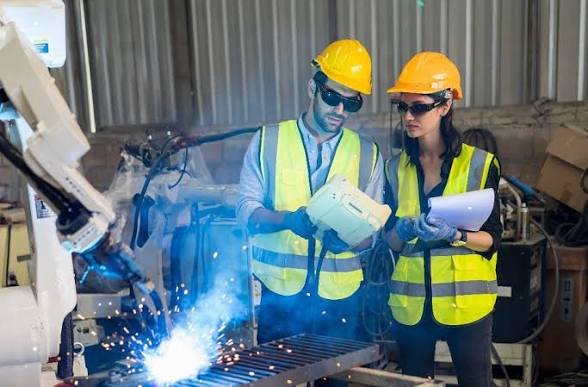
- Safety and Quality Control: Welders must follow strict safety protocols to avoid injuries and accidents. They must also ensure that their welds meet quality standards and pass inspection.
- Maintaining Equipment: Regularly maintaining and checking welding equipment to ensure it’s functioning properly is crucial to avoid delays in production.
- Collaboration: Welders often work in teams with fabricators, engineers, and other tradespeople to complete complex projects.
Qualifications and Skills Required
To become a welder in New Zealand, specific training and certification are required. Here’s what you need to know:
- Welding Qualifications:
- The National Certificate in Welding is a commonly required qualification for welders in New Zealand. This program provides practical and theoretical knowledge of welding techniques, safety, and material properties.
- Level 4 Certificate in Welding: This is an advanced qualification for welders who wish to specialize in specific techniques, such as pipe welding or structural welding.
- Trade Apprenticeship: Many welders in New Zealand start their careers through an apprenticeship, where they learn on the job and gain hands-on experience under the supervision of experienced welders.
- Health and Safety Certification: Since welding involves the use of dangerous equipment and materials, welders must be trained in health and safety protocols. Many welding employers require a Site Safe certification to ensure safe work practices on construction sites.
- Skills:
- Manual Dexterity and Precision: Welding requires steady hands and a keen eye for detail to produce clean, precise welds.
- Problem Solving: Welders need to troubleshoot issues with materials, equipment, or welding procedures during the job.
- Physical Stamina: Welders often work in challenging environments, and they need to have the physical endurance to stand for long periods and lift heavy objects.
- Mathematical Understanding: Basic math skills are essential for reading blueprints, measuring angles, and calculating material requirements.
Salary Expectations for Welders in New Zealand
Welding jobs in New Zealand offer competitive salaries, and the pay can vary based on experience, skills, and location. On average:
- Entry-Level Welders: $21 – $25 per hour
- Experienced Welders: $26 – $32 per hour
- Senior Welders/Managers: $35 – $45 per hour
In some specialized roles, such as welding for offshore oil rigs or highly technical welding positions, wages can exceed $50 per hour. Welders who work overtime or on weekends may also be eligible for additional pay.
Job Prospects and Demand for Welders
Welding is a skill in high demand across New Zealand, particularly in industries such as construction, manufacturing, shipbuilding, and infrastructure. Major infrastructure projects, such as the construction of bridges, roads, and buildings, require skilled welders to join metal components. The demand for welders is expected to remain strong due to New Zealand’s ongoing economic growth, with both domestic projects and international contracts creating more job opportunities.
Additionally, many industries in New Zealand are looking for welders with expertise in specialized fields such as TIG or MIG welding, which could increase job prospects for those with advanced skills and certifications.
How to Apply for Welding Jobs in New Zealand
If you’re ready to pursue a career as a welder in New Zealand, here’s how to get started:
- Complete a Welding Qualification: Enroll in a welding program to get the necessary certifications.
- Gain Experience through an Apprenticeship: Look for apprenticeship opportunities to get hands-on experience under the guidance of experienced welders.
- Search for Job Listings: Look for welding jobs on job portals like Seek, Trade Me Jobs, or the official New Zealand Government job website.
- Prepare Your Resume: Highlight your welding qualifications, certifications, and any practical experience.
- Apply to Employers: Submit applications to construction companies, manufacturing plants, or other businesses that require welding professionals.
Conclusion
A career as a welder in New Zealand offers great earning potential, job security, and the chance to work on exciting and large-scale projects. Whether you’re just starting out or looking to advance in the field, welding provides a rewarding and stable career in a growing industry.
If you have the right skills, qualifications, and dedication, welding could be the perfect career choice for you in New Zealand.