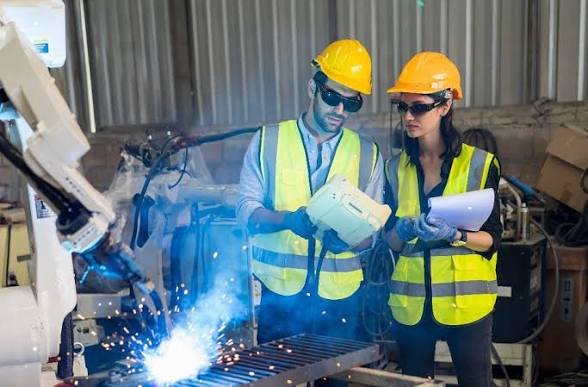

Welders Careers in Canada – Apply Now
Canada’s industrial sector continues to experience significant growth, and skilled welders are in high demand across the country. From construction sites to manufacturing plants, welders play a crucial role in ensuring the structural integrity and functionality of various projects. If you’re considering a career in welding, Canada offers a wealth of opportunities in a dynamic and thriving economy. In this article, we’ll explore what it takes to become a welder in Canada, the benefits of the profession, and how you can start your career in this high-demand field.
What Does a Welder Do?
Welders use specialized equipment to join, cut, and shape metal parts. Their work is essential in building and maintaining structures, machinery, vehicles, and infrastructure. Common welding tasks include:
- Welding Steel and Other Metals: Welders work with a variety of materials, including steel, aluminum, and copper.
- Fabricating Metal Parts: Welders create and assemble metal components for use in construction, machinery, and other industries.
- Repairing Damaged Metal Structures: Welders are often called upon to repair metal structures, machinery, and equipment.
- Reading Blueprints: Understanding technical drawings and blueprints is critical to ensure accurate welds and proper fit.
- Operating Welding Equipment: Welders use a range of tools, such as MIG (Metal Inert Gas), TIG (Tungsten Inert Gas), Stick, and Arc welding machines, to complete their tasks.
In addition to their core tasks, welders must adhere to strict safety protocols to protect themselves from hazards such as sparks, heat, and fumes.
Key Skills and Qualifications
To become a successful welder in Canada, you need to possess a combination of technical skills, practical experience, and certifications. Key qualifications include:
- Welding Certification: Most employers require welders to have certification from a recognized Canadian body. The Canadian Welding Bureau (CWB) is the national authority for welding certification. There are different levels of certification based on the type of welding and experience.
- Technical Skills: A strong understanding of welding techniques, equipment, and safety standards is crucial. You should also be able to read technical drawings and blueprints to perform precise work.
- Physical Stamina and Dexterity: Welding can be physically demanding, requiring precision and the ability to work in various environments and positions. Hand-eye coordination is also key for producing high-quality welds.
- Problem-Solving Skills: Welders often face complex challenges that require creative thinking and solutions to meet quality and safety standards.
- Safety Awareness: Due to the hazardous nature of the job, welders must adhere to strict safety procedures to avoid accidents and injuries.
Salary and Benefits
Salary: In Canada, the salary for a welder varies depending on experience, location, and industry. On average, welders can expect to earn:
- Entry-level Welders: CAD 18 to CAD 25 per hour
- Experienced Welders: CAD 25 to CAD 40 per hour
- Specialized Welders (e.g., underwater welding, pipeline welding): CAD 45 to CAD 60 per hour
Experienced welders in higher-demand industries, such as oil and gas, construction, and aerospace, often earn higher wages due to the specialized nature of their work.
Benefits: Many employers offer excellent benefits packages, including:
- Health and dental insurance
- Paid vacation and sick days
- Pension plans
- Apprenticeship and training programs
- Opportunities for career advancement
Job Opportunities and Locations
Welding jobs are available across Canada, especially in provinces with active industrial, construction, and manufacturing sectors. Key job markets for welders include:
- Alberta: Known for its booming oil and gas industry, Alberta offers numerous opportunities for welders, especially in the oil sands and pipeline sectors.
- Ontario: Ontario’s large manufacturing sector provides a variety of welding jobs, from automotive manufacturing to heavy equipment production.
- British Columbia: With significant construction and infrastructure development, welders are in high demand in cities like Vancouver and Victoria.
- Saskatchewan: Saskatchewan’s mining and energy sectors also offer many welding opportunities, particularly for those specializing in heavy-duty welding.
Why Choose a Welding Career in Canada?
- Job Stability: The demand for skilled welders is high in Canada, with a growing need across various industries. This makes welding a secure and stable career option.
- Competitive Pay: Welding jobs offer competitive salaries, with the potential for high earnings, especially as you gain experience and specialize in certain areas.
- Career Advancement: Welding provides plenty of opportunities for career growth. With the right certifications and experience, you can advance into roles such as welding supervisor, welding inspector, or even start your own welding business.
- Diverse Industries: Welders work in a variety of fields, including construction, automotive, aerospace, energy, and manufacturing. This diversity allows you to explore different industries and work environments.
- Hands-On Work: Welding is a rewarding trade for people who enjoy hands-on, physical work. If you’re someone who likes to see tangible results from your efforts, this career is highly satisfying.
How to Become a Welder in Canada
- Get Certified: Complete a welding program at a recognized trade school or community college. You can also choose an apprenticeship to gain hands-on experience while working.
- Choose Your Welding Specialization: Depending on your interests and the job market, you may want to specialize in a specific type of welding, such as MIG, TIG, or stick welding.
- Apply for Jobs: Search for welding job opportunities in Canada through online job boards, company websites, or through recruitment agencies.
- Stay Up to Date: The welding industry continues to evolve, with new technologies and methods emerging. Keeping your skills up to date through continuous learning and advanced certifications will help you remain competitive in the job market.
Conclusion
Welding is an in-demand, well-paying career that offers stability, opportunities for advancement, and the chance to work in diverse industries across Canada. Whether you’re just starting or looking to advance in your career, becoming a welder in Canada can provide a rewarding future with many paths for growth and development.
Ready to start your career as a welder? Explore available job opportunities in Canada now!